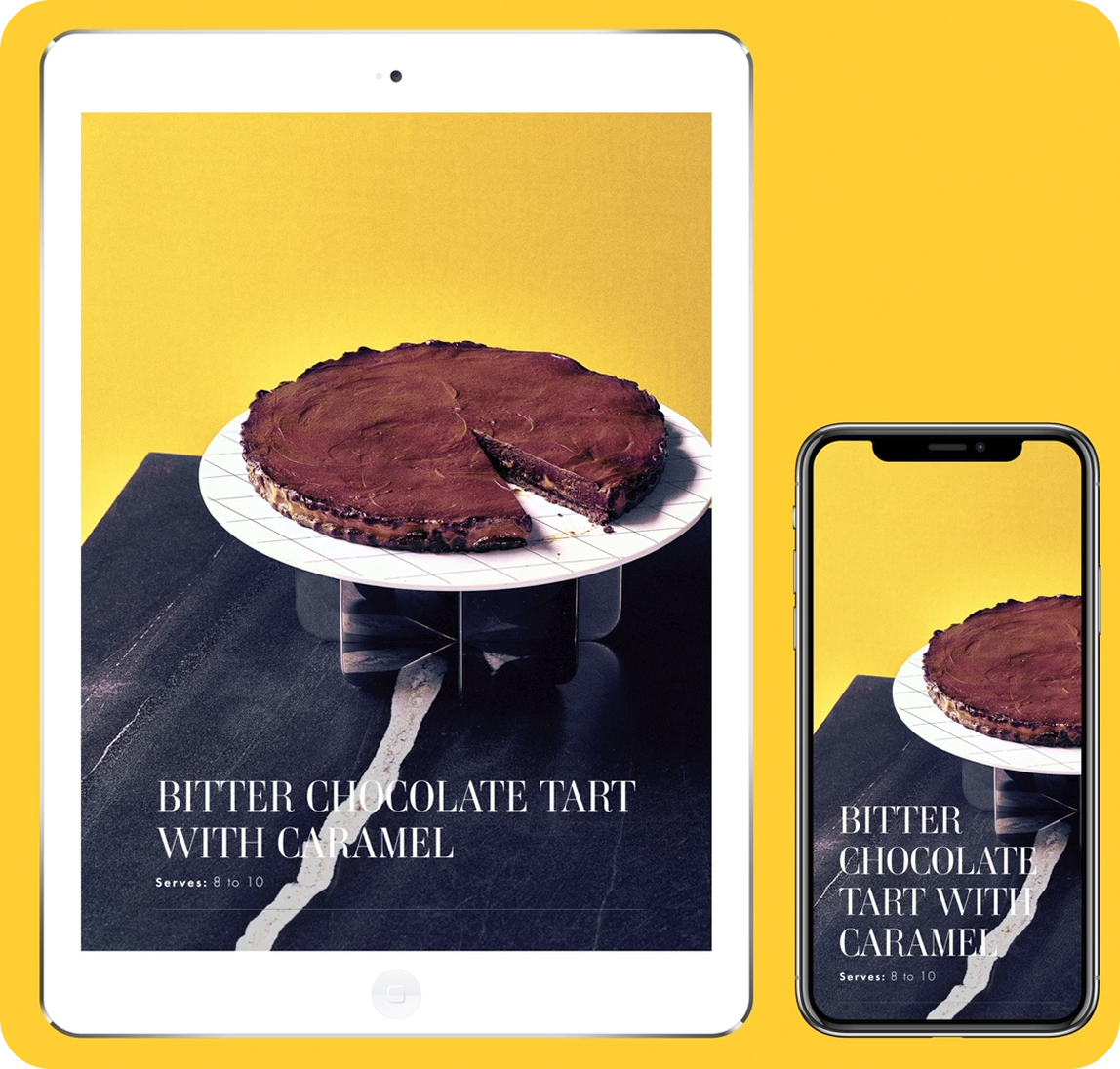
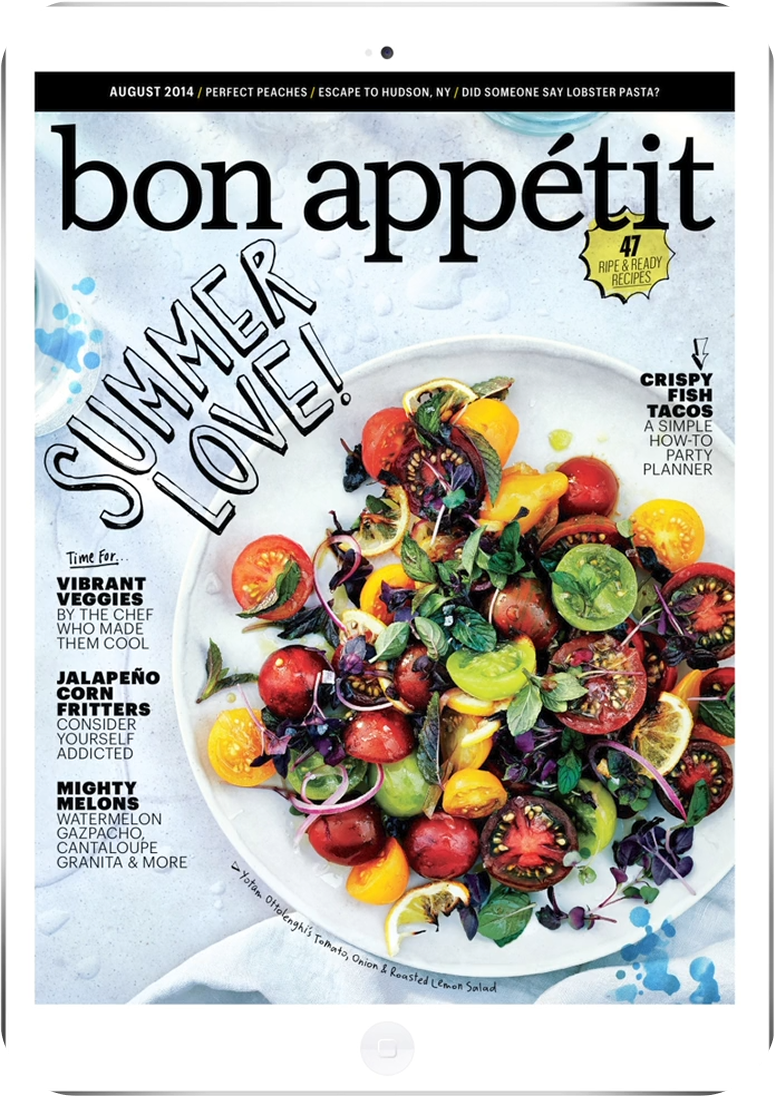
First, some work outside of interfaces from the past decade or so.
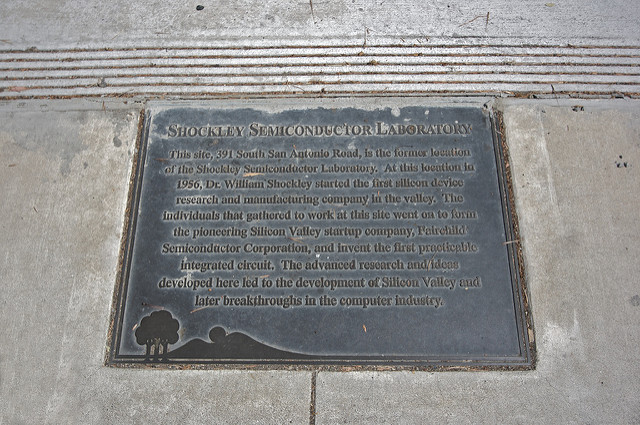
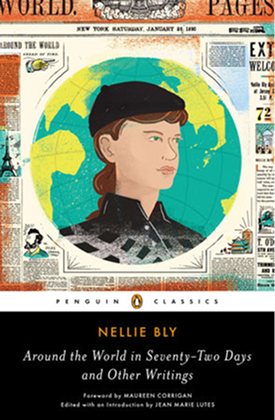
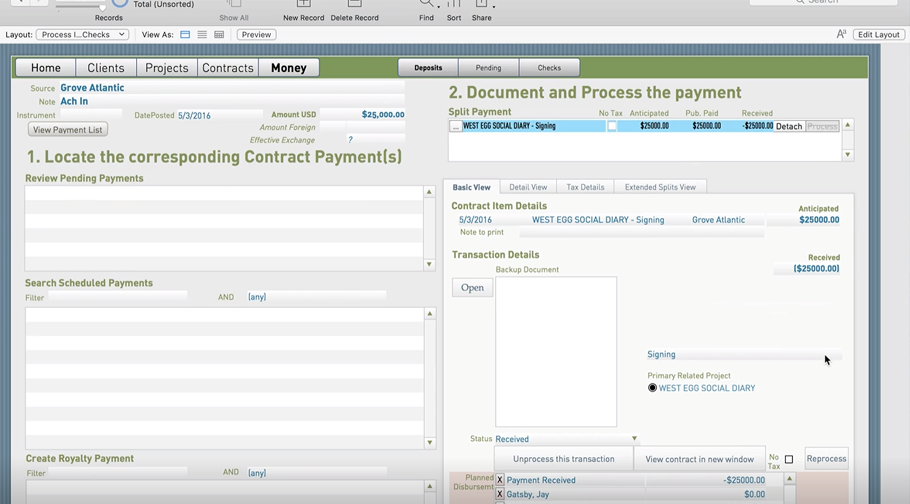
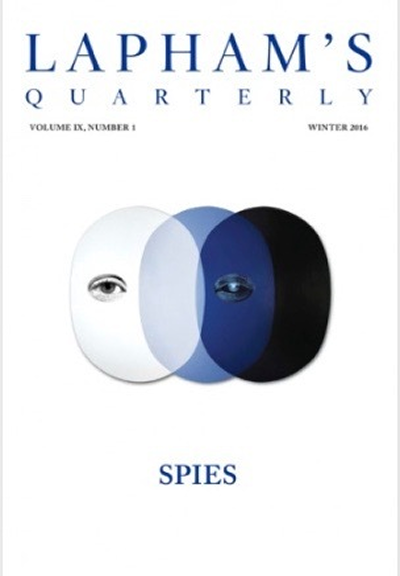
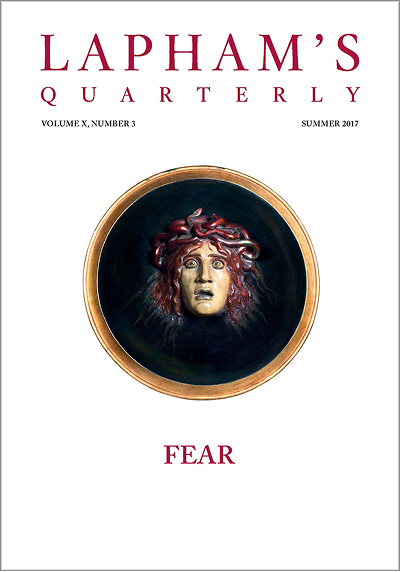
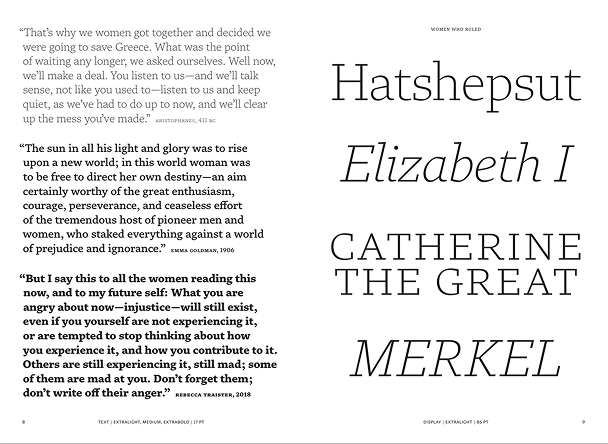
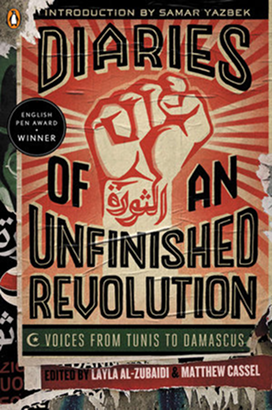
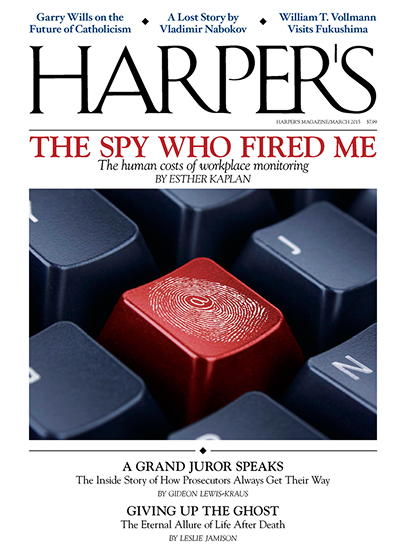
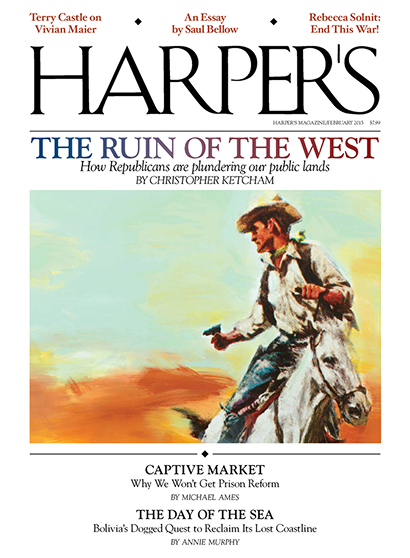
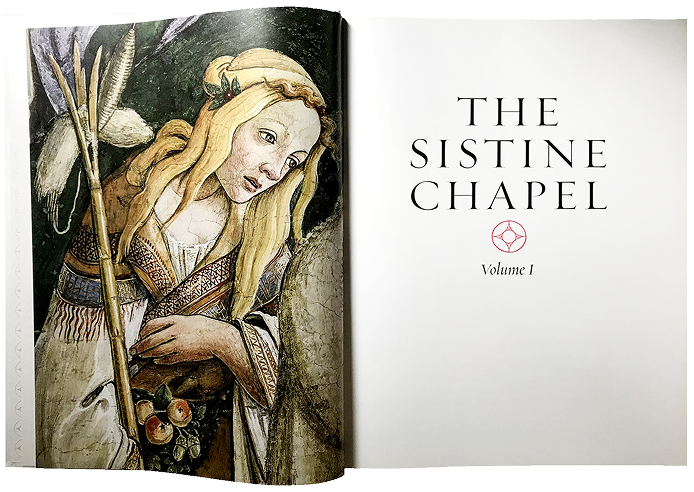
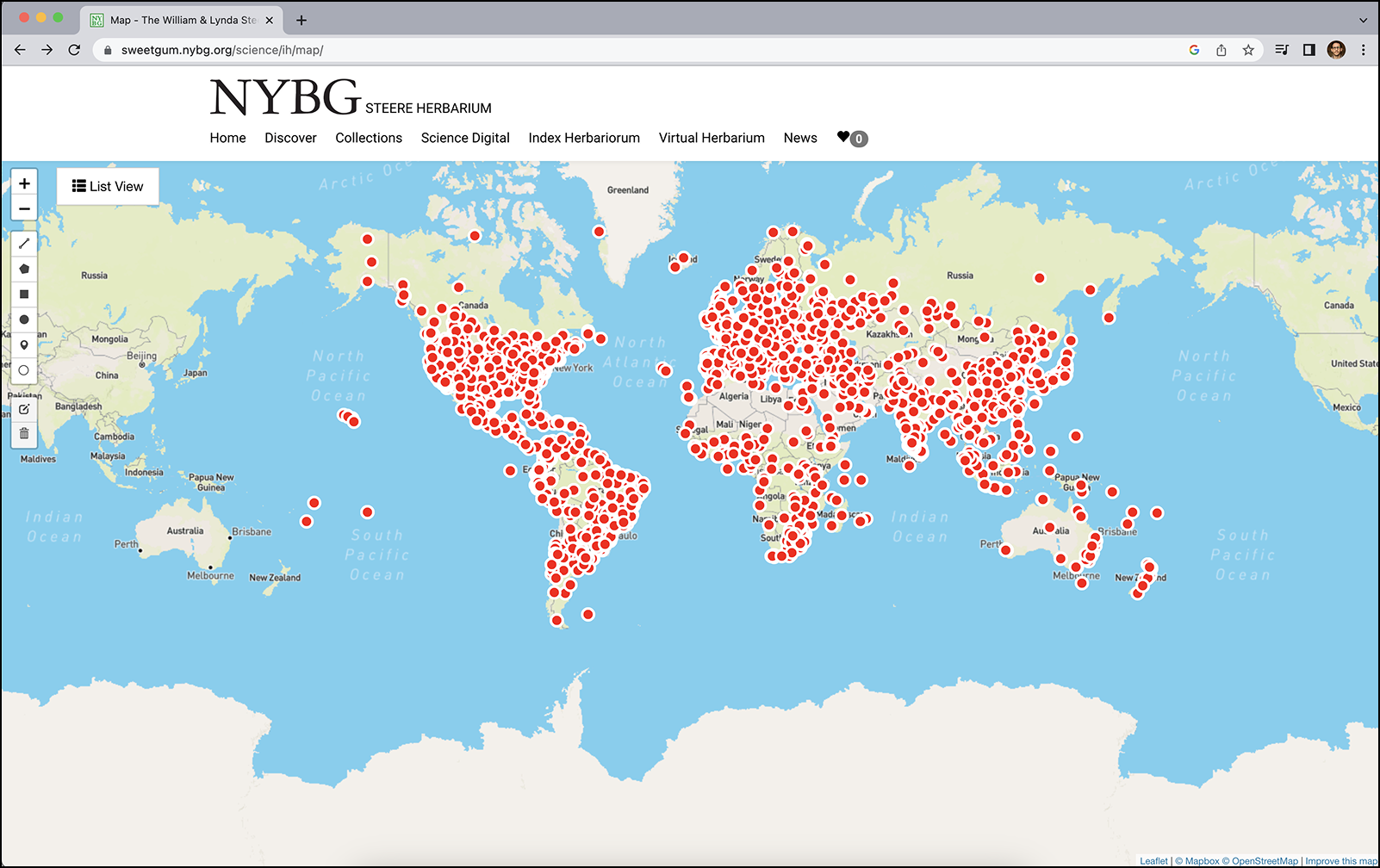
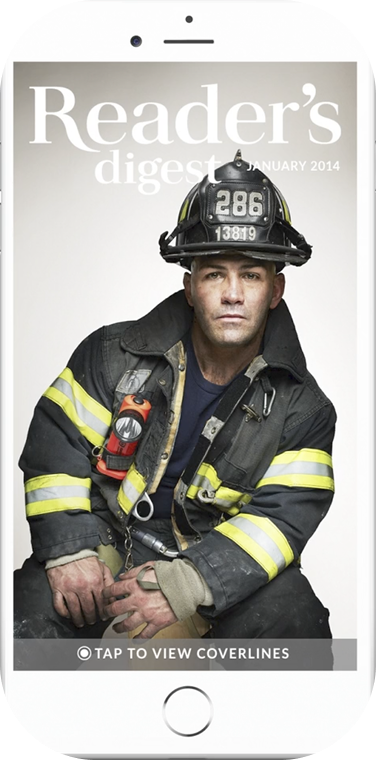
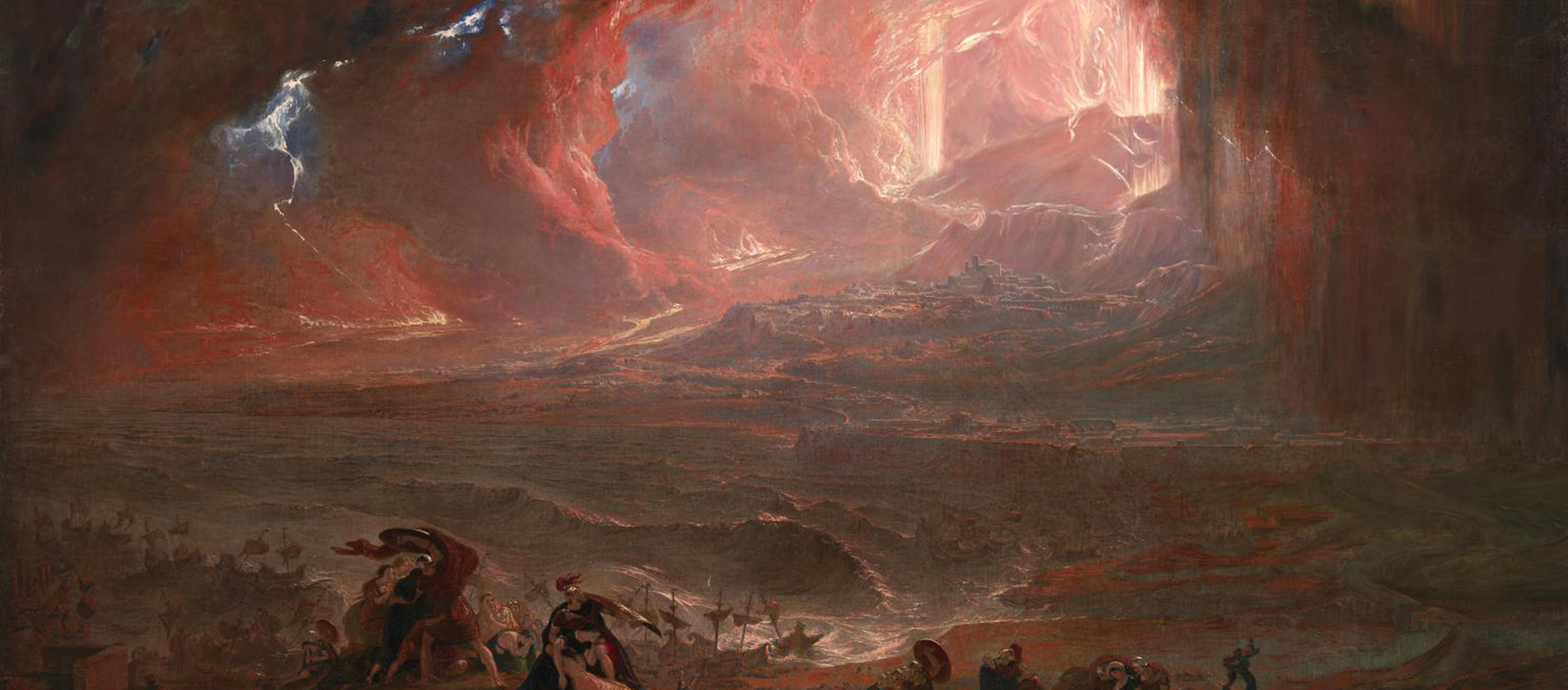
For Lapham’s Quarterly (an essay about searching for happiness while reading about hell, a collage piece as an act of living through history) and n+1 (a critique of how William Shockley’s eugenics reverberate through Silicon Valley history), among other places.
.
.' \
.' .
.' ...'.`
___.-. .' ...'.'
_.---' `..' ...'.'
__.---' .' ...'.'
.--' .' ...'.'.
/` .' ...'.' `.
/ .' ...'.' `.
/ .' ...'.' `-.
/ .' ...'.' `.
/ ` _.-.' ...' `-._____.-'
/ / .' ...'
/` / .'. ...'
/ /.' .`.' \
/ .' ...' | \ /
/\ .' ...' \ |
/ / .' ...' / \ |
/_/ .' ...' / | | |'
`._..' .-------.__________.'
.' .'----
.' | | |
.' .... | |
.' ...'| \ __.' | ___
/ \...' \_`------------------._____ ___.---'
/ .-' | | \__/ `--.__ _.-'
/.-' \__/ `------'
HF
In my heart, most often I feel like an editor, even when my title has been “strategist” or “architect” or “producer” or “designer” — I think because editing, to me, is bringing meaning together through language, meaning, and form.
I’ve held many titles and positions at publications, institutions, studios, foundries, agencies, and brands.
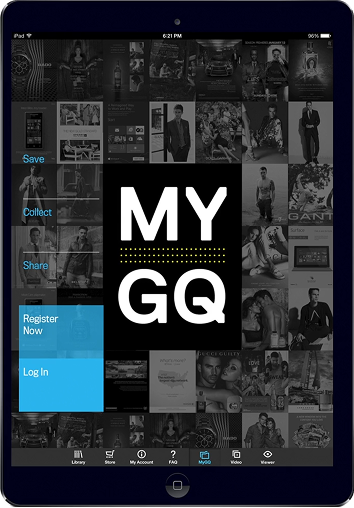
I’ve released music in various forms for much of my life, some I willingly share, some I shamefully hide. Most recent was an album as Absent City called Continue Normal Living back in 2020. I run a little Bay-based coop label to support local music called Homing Instinct Records.
_
/ )
@| ?\
._-_. _____________________@| ?\\
+|\G/|+ | ____________________@| ?\\\
+|\./|+ || O o o o =|= | =@| ?\\\\
+|\./|+ || O o o o | =|= | -- ====
`|H|' ||______________________||\ \\\
|a| |________________________| \ \\\
|H| ||MM88MM<<<?<<<<XHHHHMMMM|| \ \\\
|a| ||M88MM<<<?<<<<XHHHMMMMMM|| \ \\\
|H| ||88MM<<<?<<<<XHHHMMMMMMM|| \ \\\
|a| ||8MM<<<?<<<<XHHHHMMMMMMM|| \ \\\
|H| ||MM<<<?<<<<XHHHHMMMMMMMM|| \ \\\
|H| ||M<<<?<<<<XHHHHMMMMMMMMM|| \ \\\
_-_ |H| _-_<<<?<<<<XHHHHMMMMMMMMMM|| \ \\\
/ \ |H| / \?<<<<XHHHHMMMMMMMMMMM|| \ \\\
| \_|a|_/ |?<<<XHHHHMMMMMMMMMMMM|| \ \\\
\ |H| /<<<XHHHHMMMMMMMMMMMMR|| =_ \ \\\ _
\ |H| /<<<XHHHHMMMMMMMMMMMRMM|| || | \ \\\ ||\
| '"' |<<<XHHHHMMMMMMMMMMMRMM8|| | | \ // \\\\ / \
/ === \<XHHHHMMMMMMMMMMMRMM8R|| | | \- \\\\ |
/ === ! \HHHHMMMMMMMMMMMRMM8RM|| \ \ \\\\\\ \
| | o |HMMMMMMMMMMMMMM988MM|| \\ \\\\ \
| +---+ / o |MMMMMMMMMMMMMM988MM<|| \\ \\\\ \
\ ___ / o /M/MMMMMRMMMRMM88MM<<|| \ \ \\\\ \
\ |HHH| l/MMMMMMMRMMMRMM88MM<<<|| | | \\\\\\ \
`-_ \_/ _-MMRMMMMMRMMMRMM88MM<<<?|| | | \\\\ (O \
""""""""' ~~~V~~""~~~~~~~~~~~~~~V~~~ \ \ <o=====o |
\ \ (O |
\\ /
\\_ /
--_______--
I’m in Maxwell Park, in East Oakland, in a small house. Before this I was in Brooklyn for more than a decade, had a short stay in Atlanta, went to college in Providence, and was born and raised in a very different Mountain View, California, than the one weirdly widely known today.
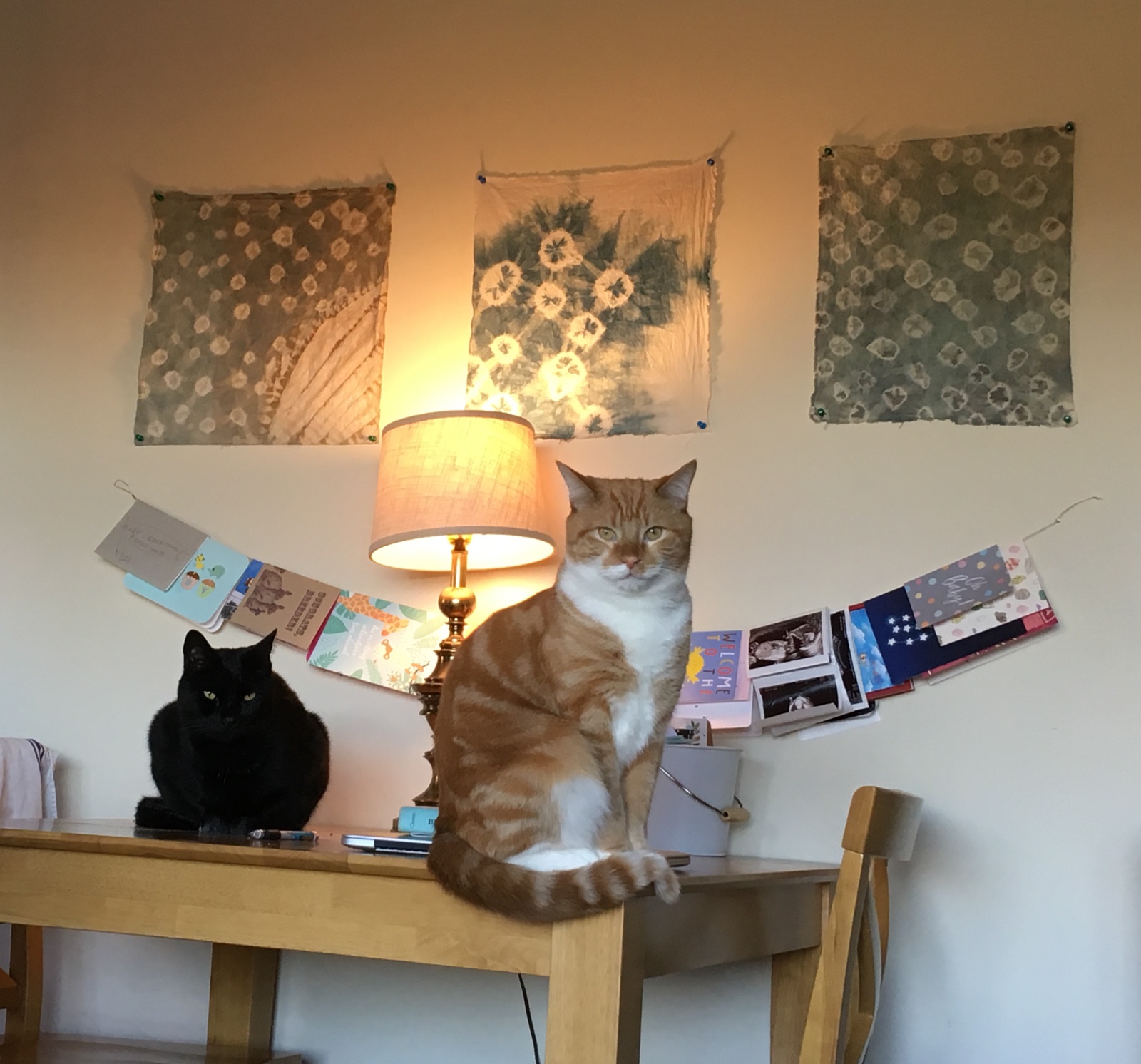
In this house, my wife and I try to keep alive two boys, 3 and 6, as well as two cats, one dumb and one smart. The smart one is the black cat. We named him Claude 10 years ago (not after Shannon but Lévi-Strauss, because he was extremely skittish and acted like an anthropologist studying us).
I was hired in 2023 to cover what we called Production Experience: prototyping, design systems, and developer tools. With team growth and shifts, I’ve come into a role as lead UX writer for our Editor and Build pillars, with particular focus on AI and code tools.
I joined in 2019 as an IC focused on trust, safety, and privacy. Grammarly didn’t yet have a design team organized as such. I scaled and led the Writing and Content Design team — creating human-centered content and copy experiences across product, growth, and brand.
Language is a universal primitive for thinking, communicating, creating, and doing.
It’s relational and personal,
particular and imprecise,
inspiring and unbelievably frustrating to harness.
The challenge is to guide usage without pretending you can truly control a system that never stops shifting.
This is fascinating work . . . and also sometimes really annoying.
Still, I find something active and inspiring about words in their primitive, active forms. I wrote an article for Figma’s blog inspired by this. Project lightly based on work from the verb utility for Unity.
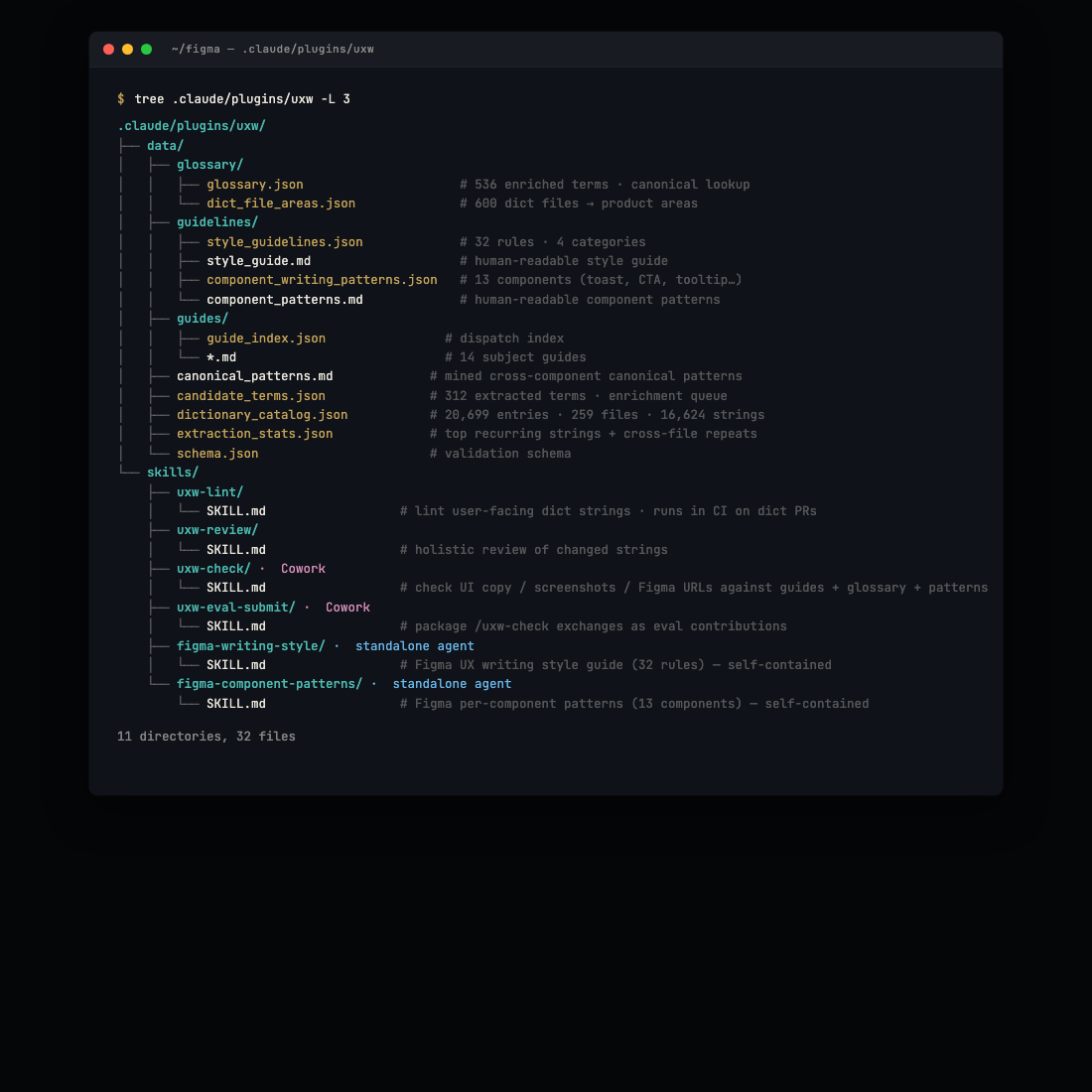
Here’s an interactive component I built in Figma as an attempt to standardize some decision-making across teams using the methods we were invested in.
In practice, of course, there is a lot more to defining a product space. Style rules, voice frameworks, diagrams, conceptual boundaries.
How could we manage a more complex experience, bringing together multiple layers and levels of information — and lean into the Figma interface itself?
A framework for organizing language work into complementary (not quite adversarial) pillars, each with its own purpose.
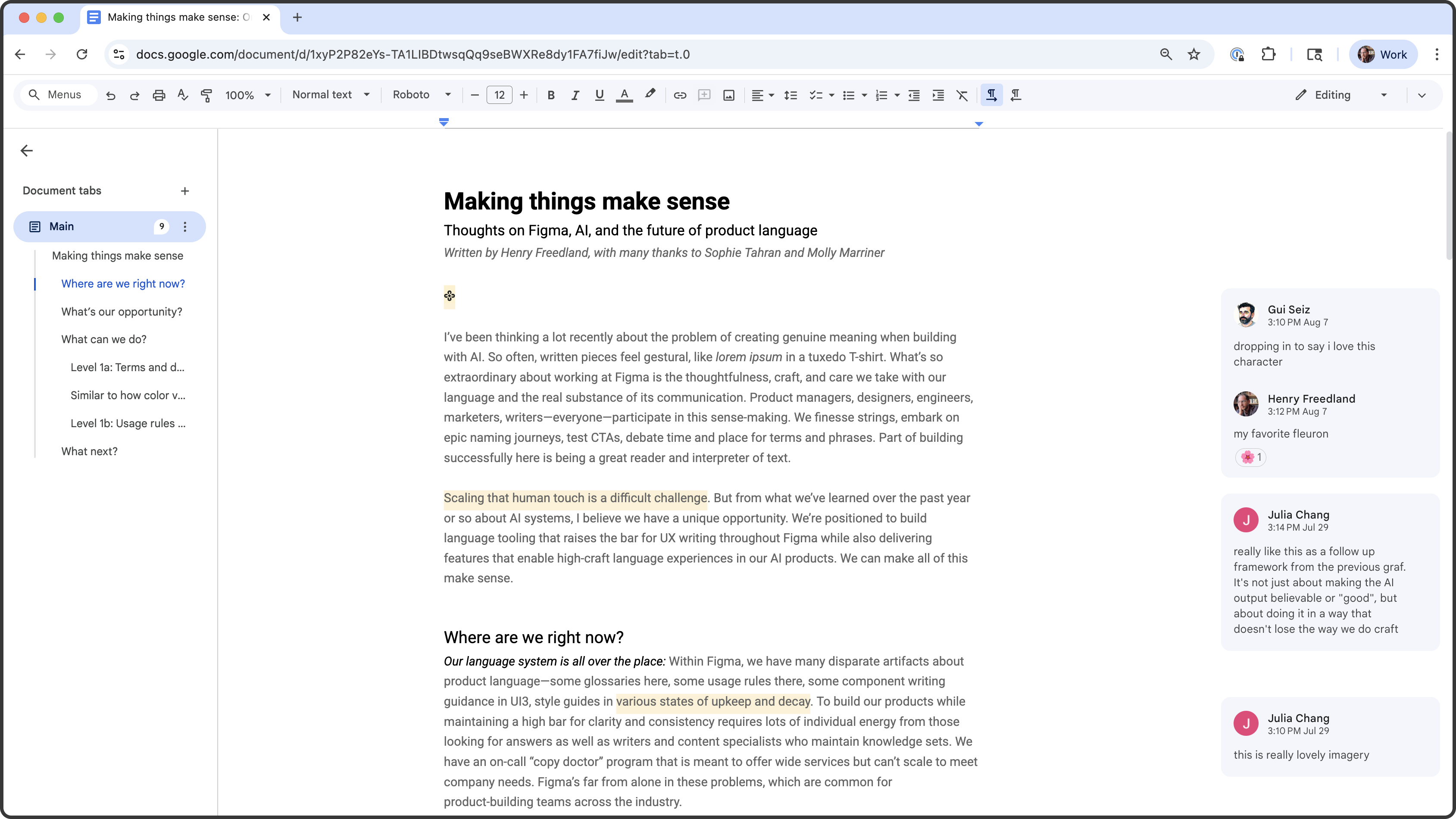
Exploring a mix of structured and unstructured content to see what information is best carried how. Like many of us, I often write to think, so I went long-form to detail my approach and get some feedback.
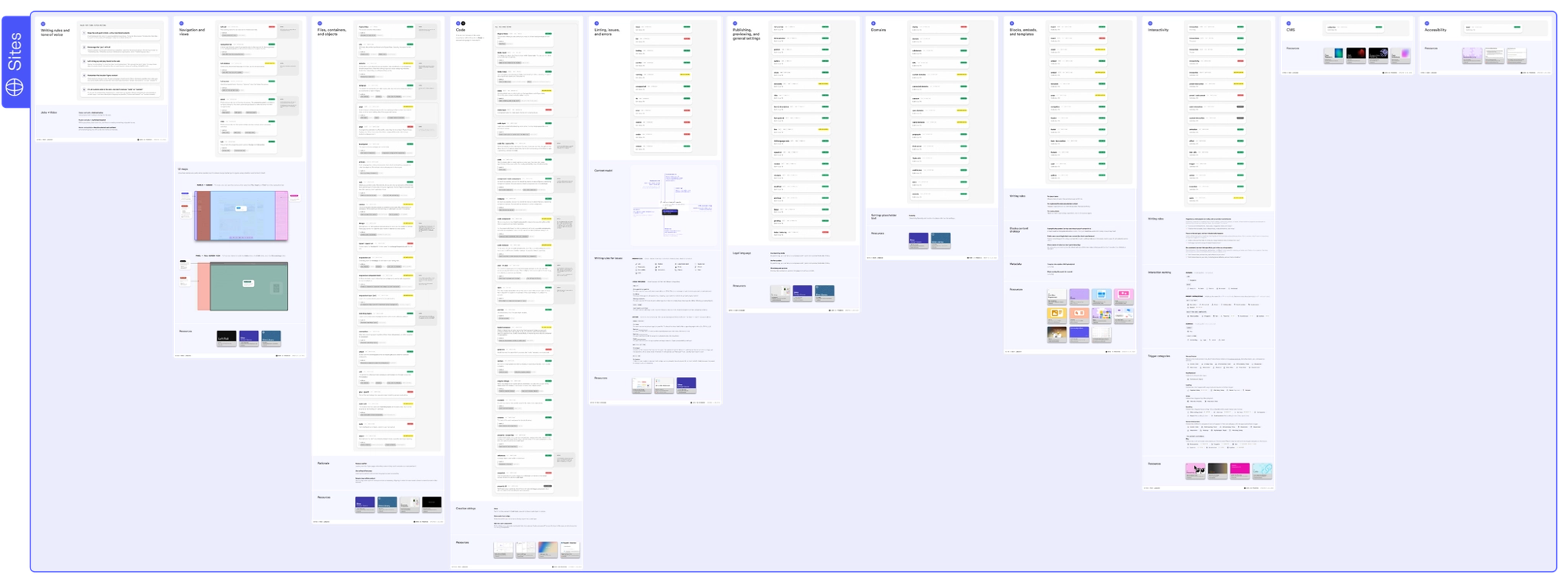
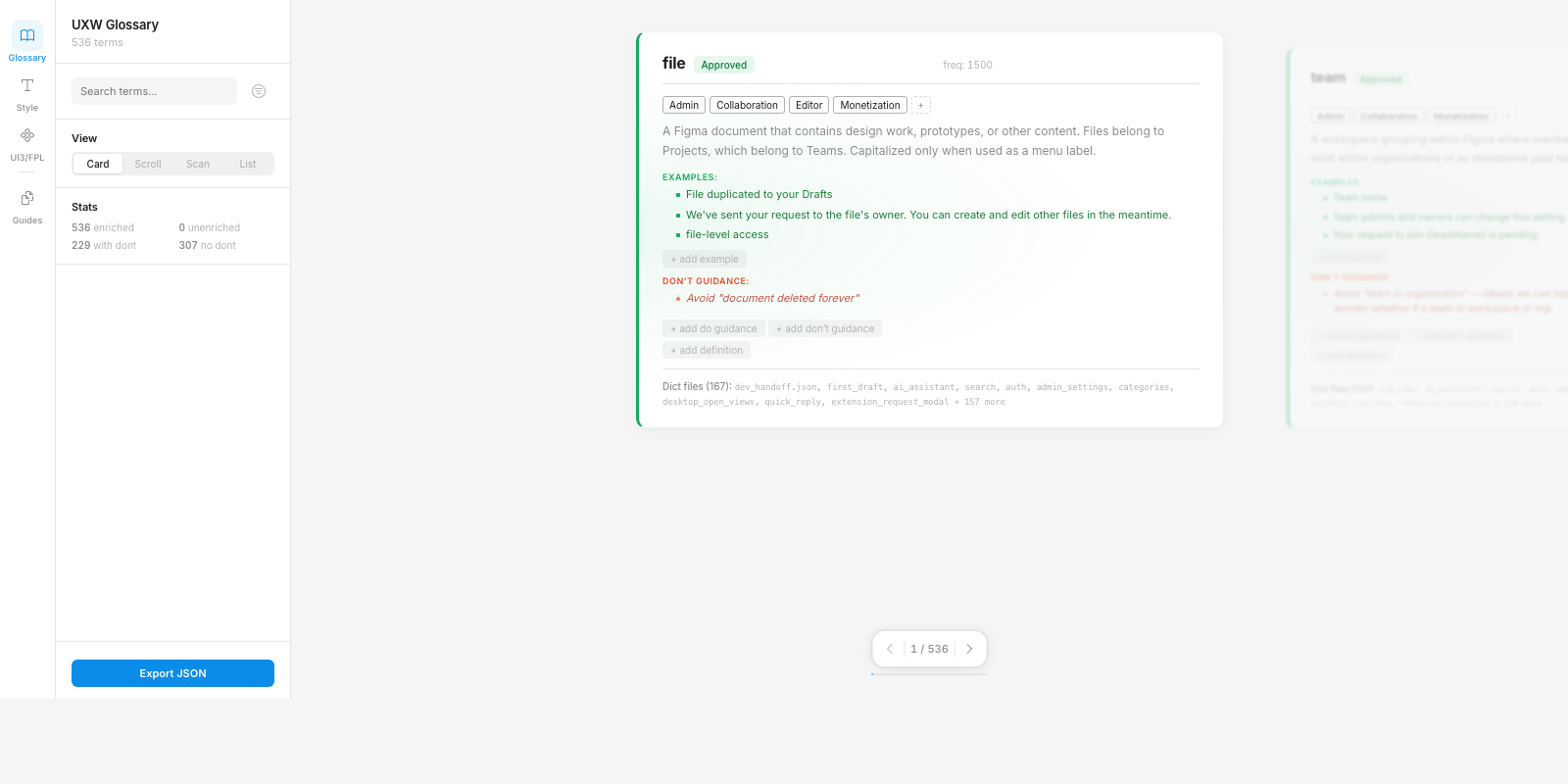
A way to explore and view what’s happening across 300+ different files in the monorepo.
Fake content, real practice.
The Figma canvas is an abstraction, a purposeful representation, built on WebGL/WebGPU for fast, cloud-based, multiplayer vector editing.
You can inspect designs to implement them, but depending on your framework or language, codegen can be hit or miss,
properties can be mistranslated,
states can be missing,
meaning can get lost on the way to prod.
And every single dang conceptual tradeoff gets exposed for what it is.
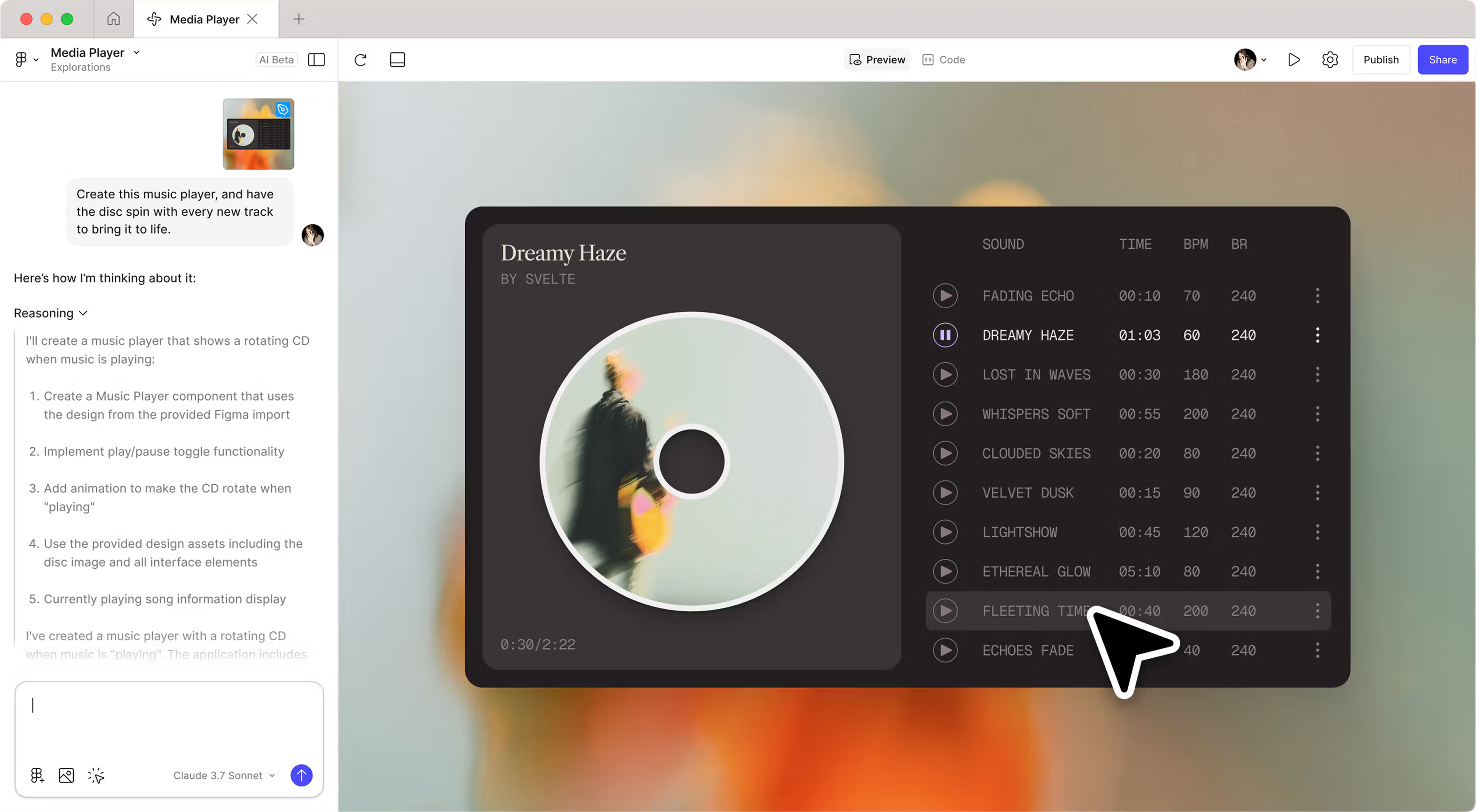
So much went into the rapid creation of Figma Make. Since its launch we’ve shipped weekly.
At the heart of this work is balancing the abstraction of creativity with the reality of code.
What’s a component and how does it behave?
What is editing and how does it change?
What is Make and what does Make make?
What in the world is “a design” now?
At the heart of this work is balancing the abstraction of creativity with the reality of code.
What’s a component and how does it behave?
At the heart of this work is balancing the abstraction of creativity with the reality of code.
What is editing and how does it change?
At the heart of this work is balancing the abstraction of creativity with the reality of code.
What is Make and what does Make make?
At the heart of this work is balancing the abstraction of creativity with the reality of code.
What in the world is “a design” now?
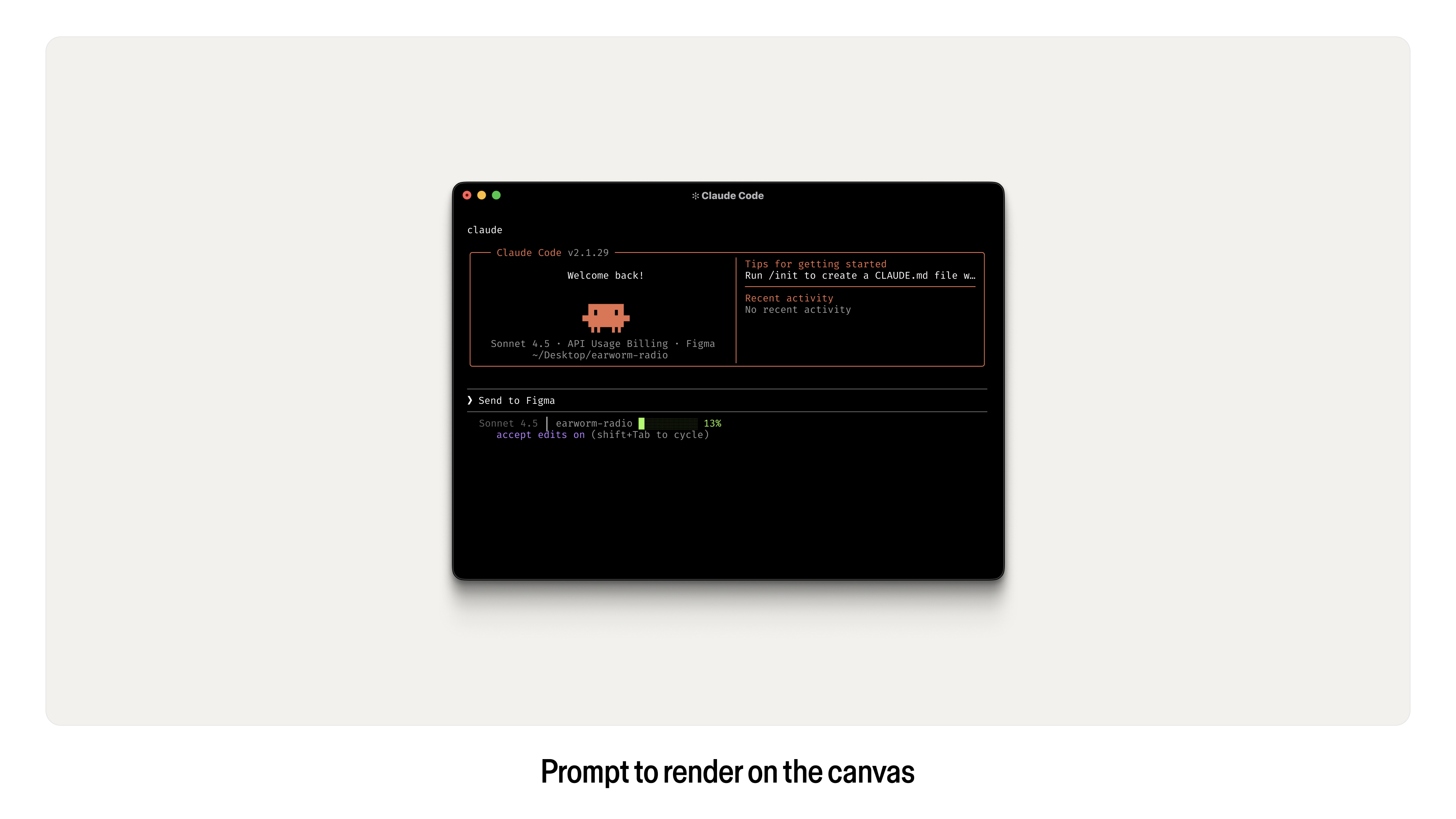
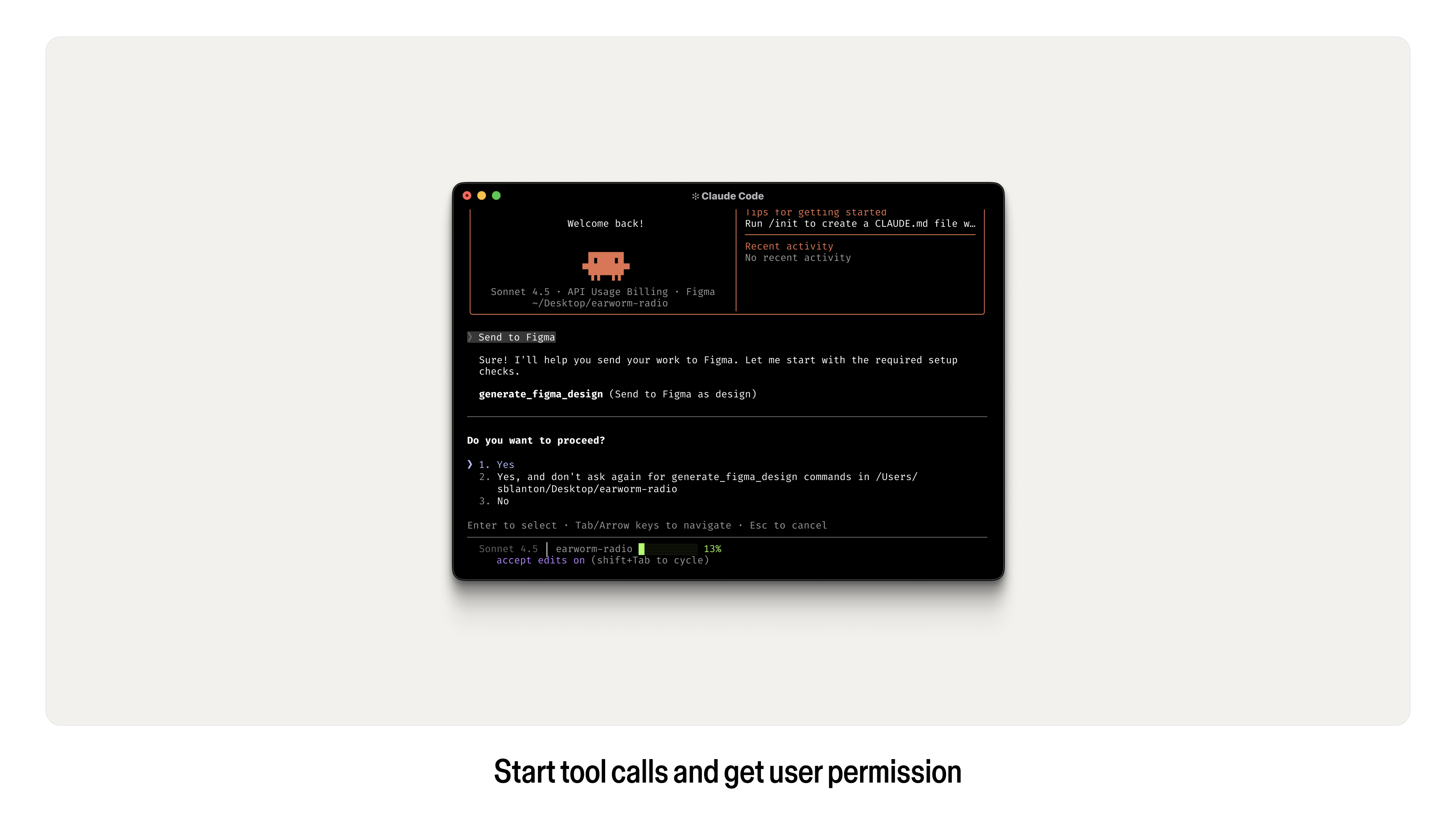
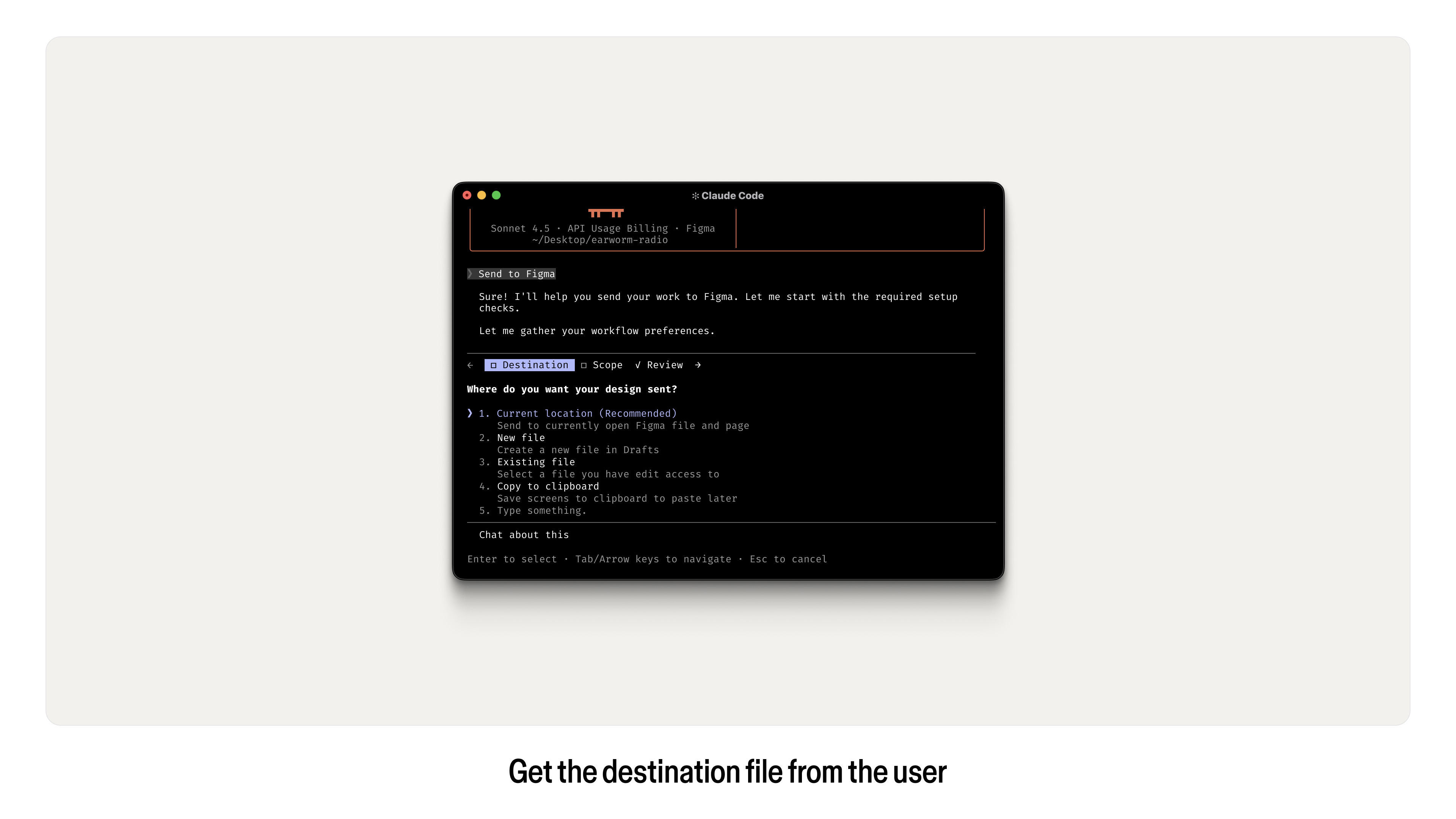
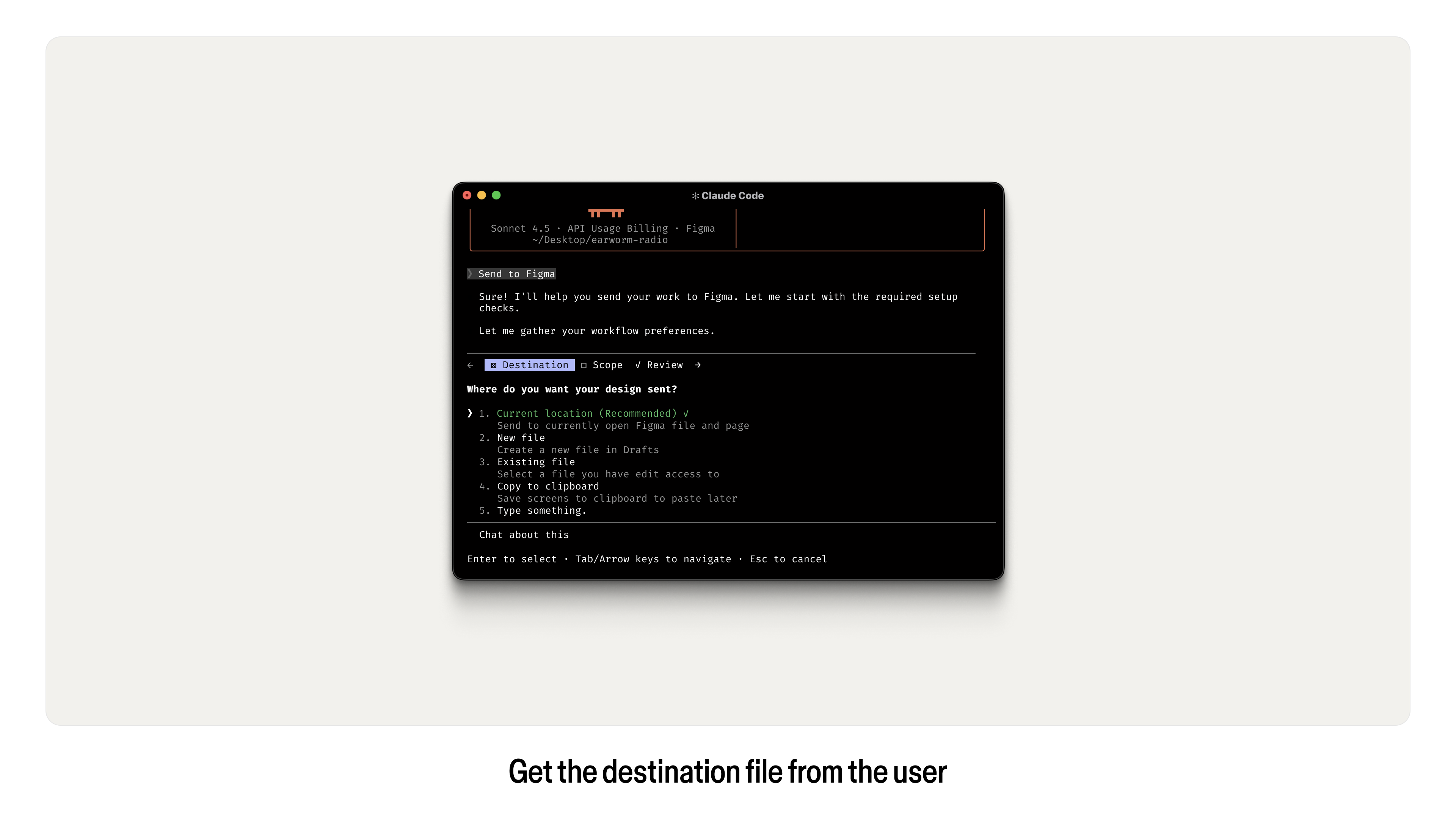
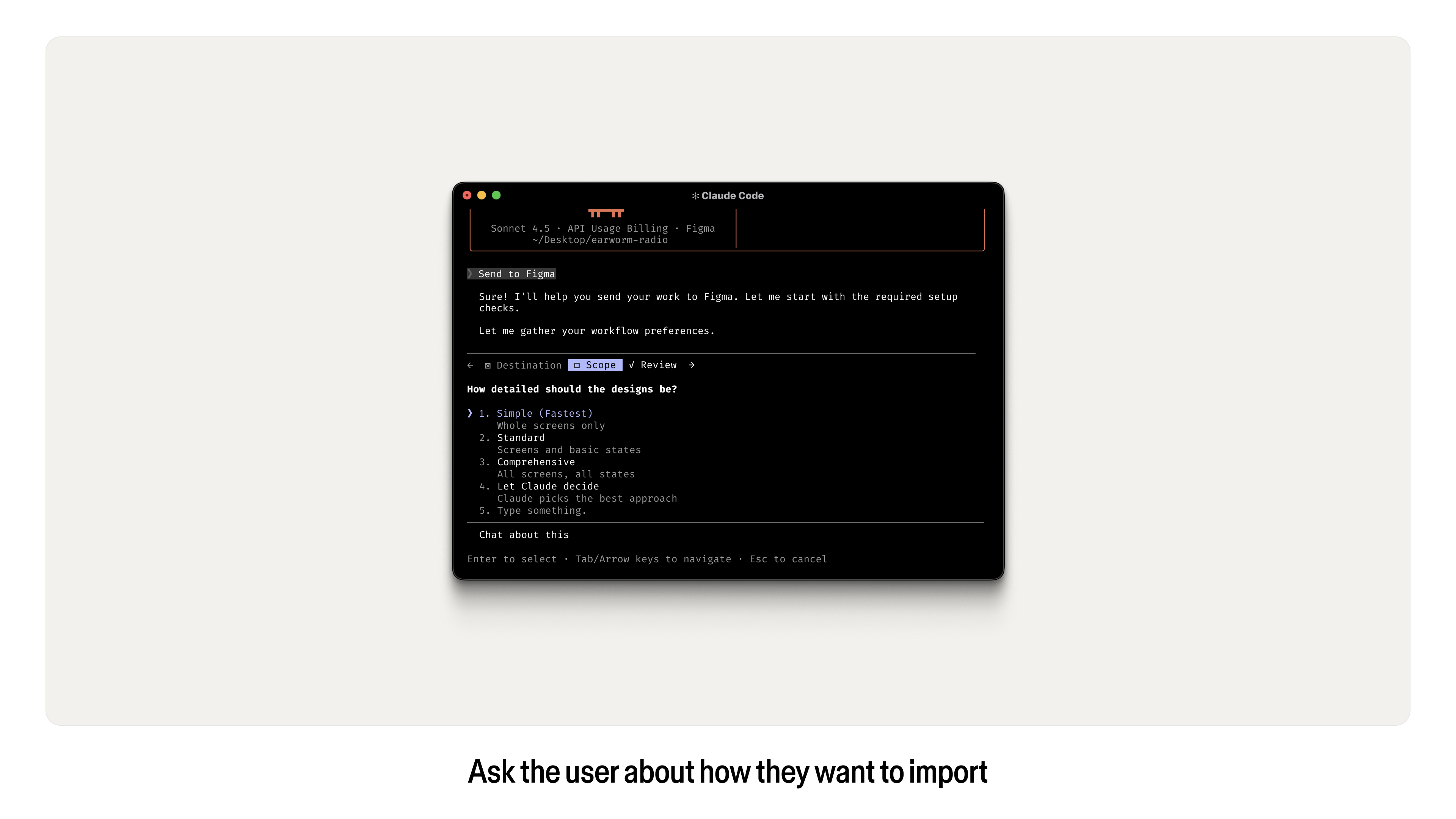
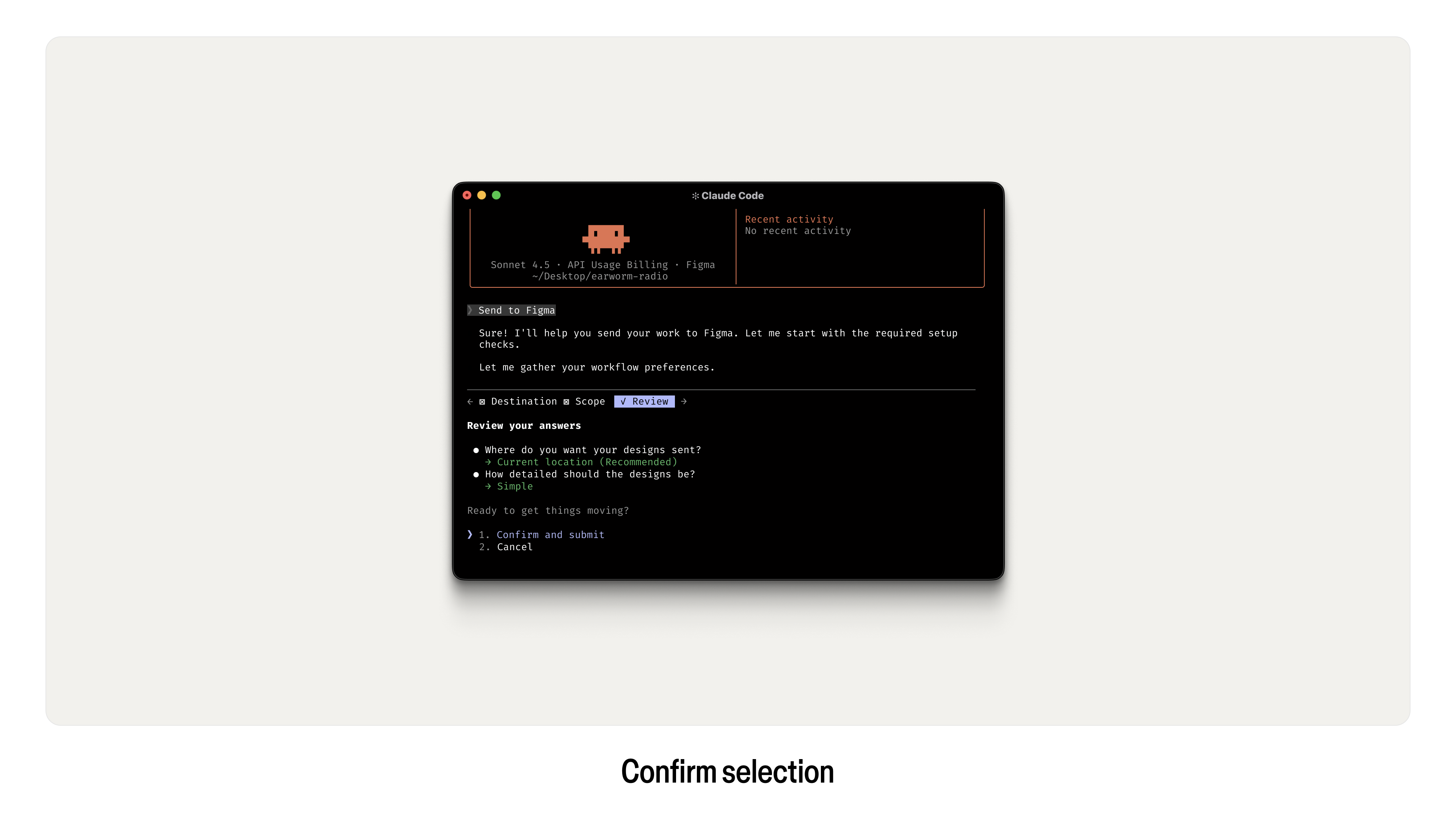
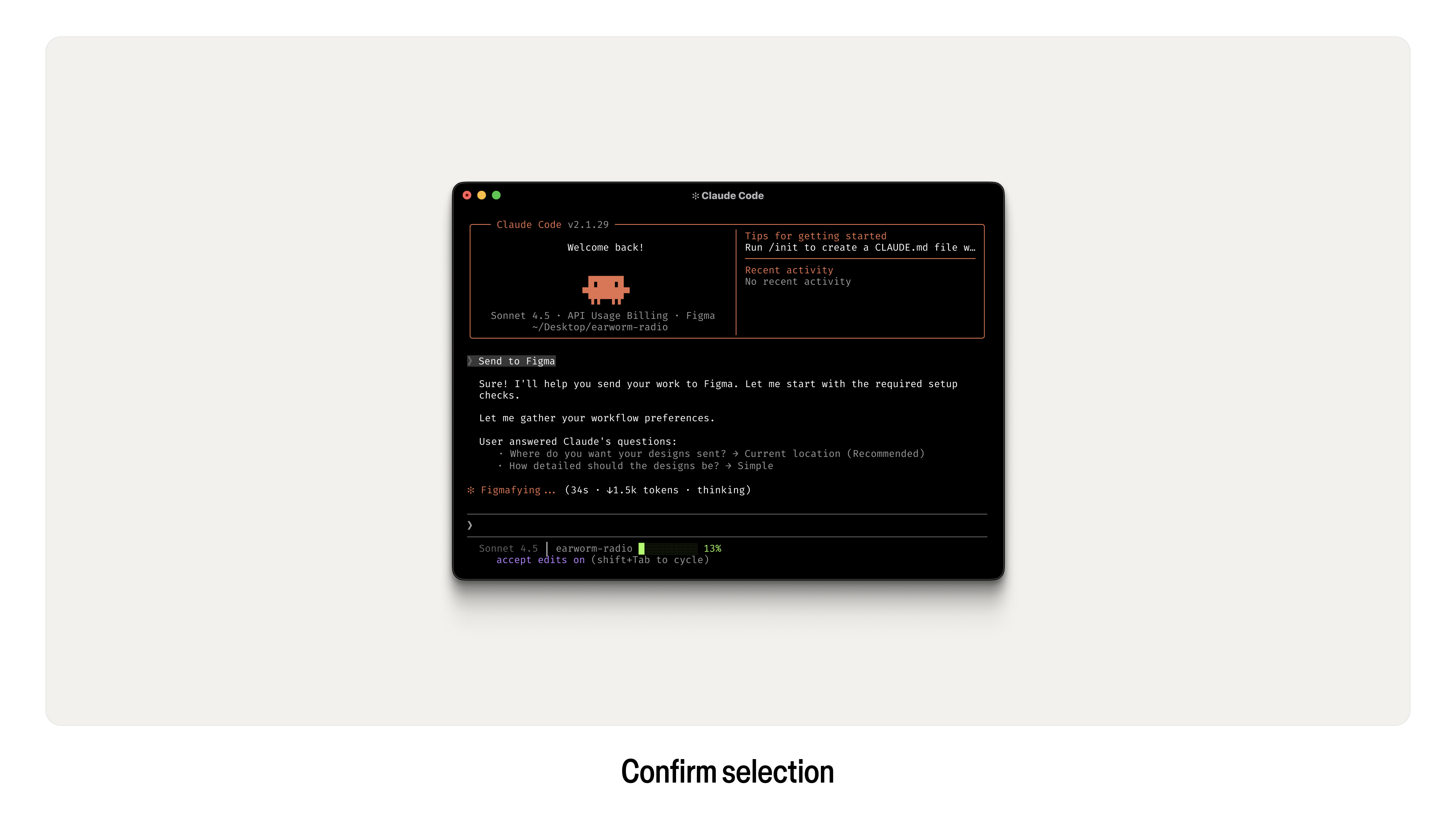
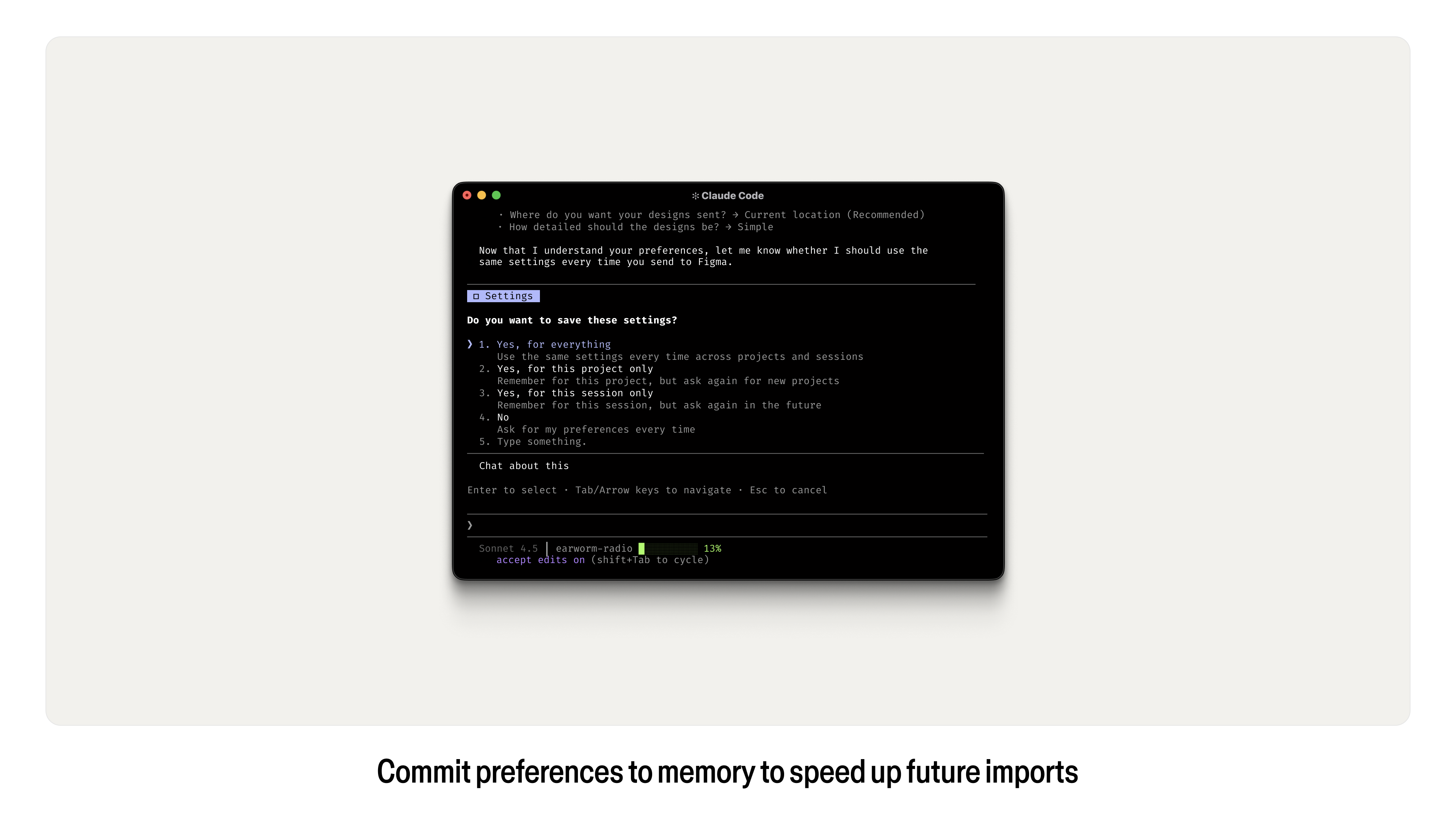
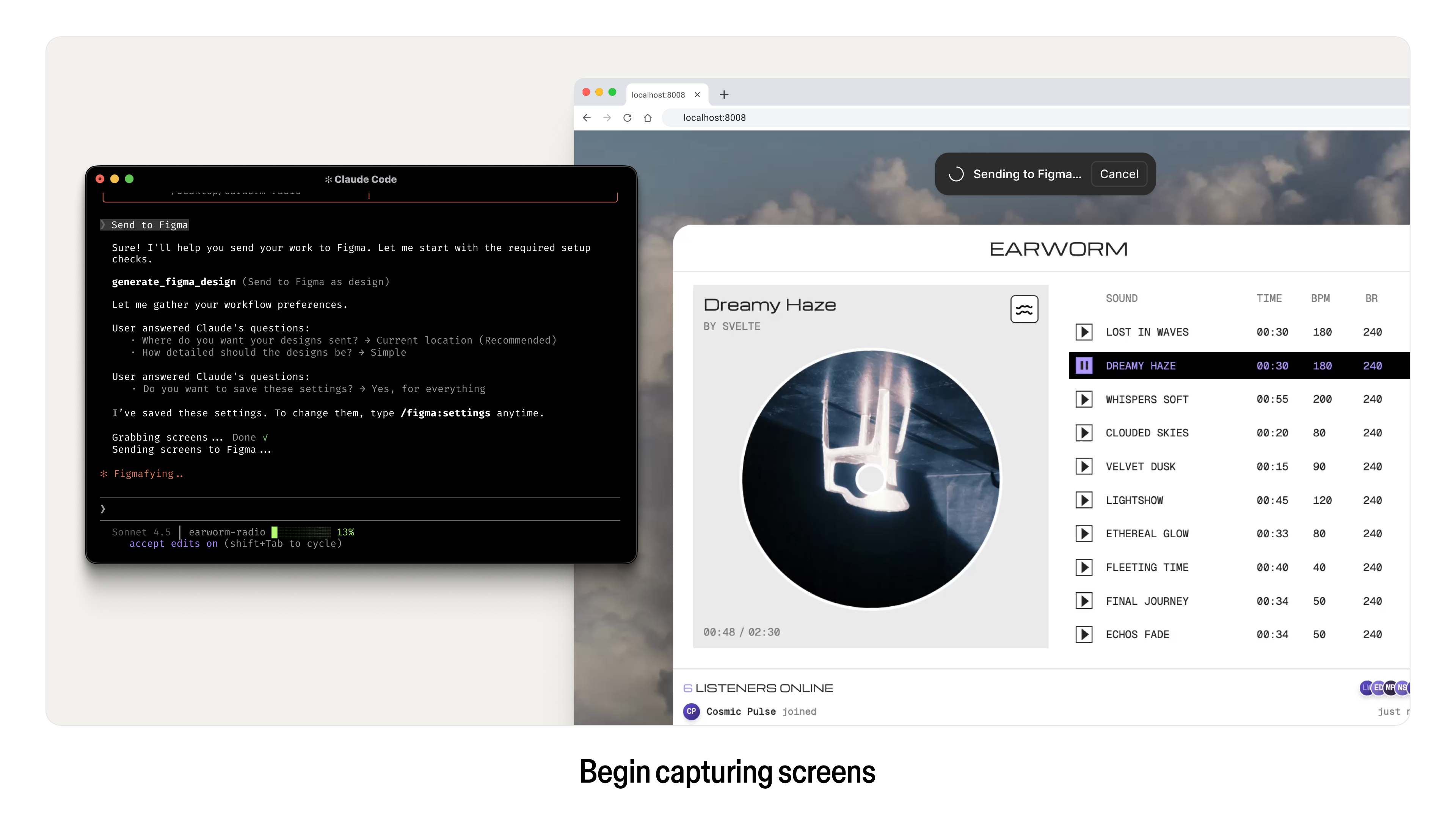
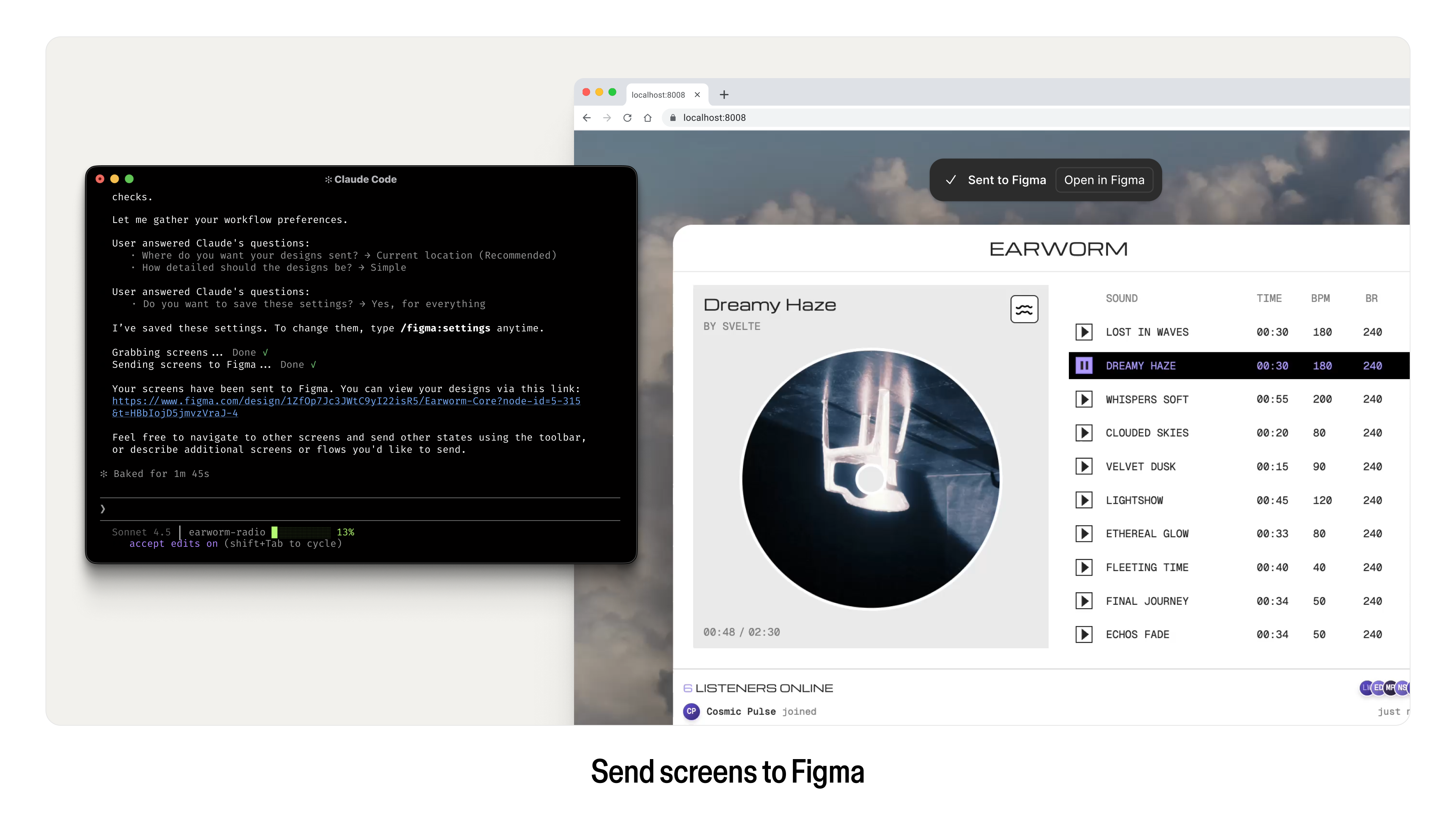
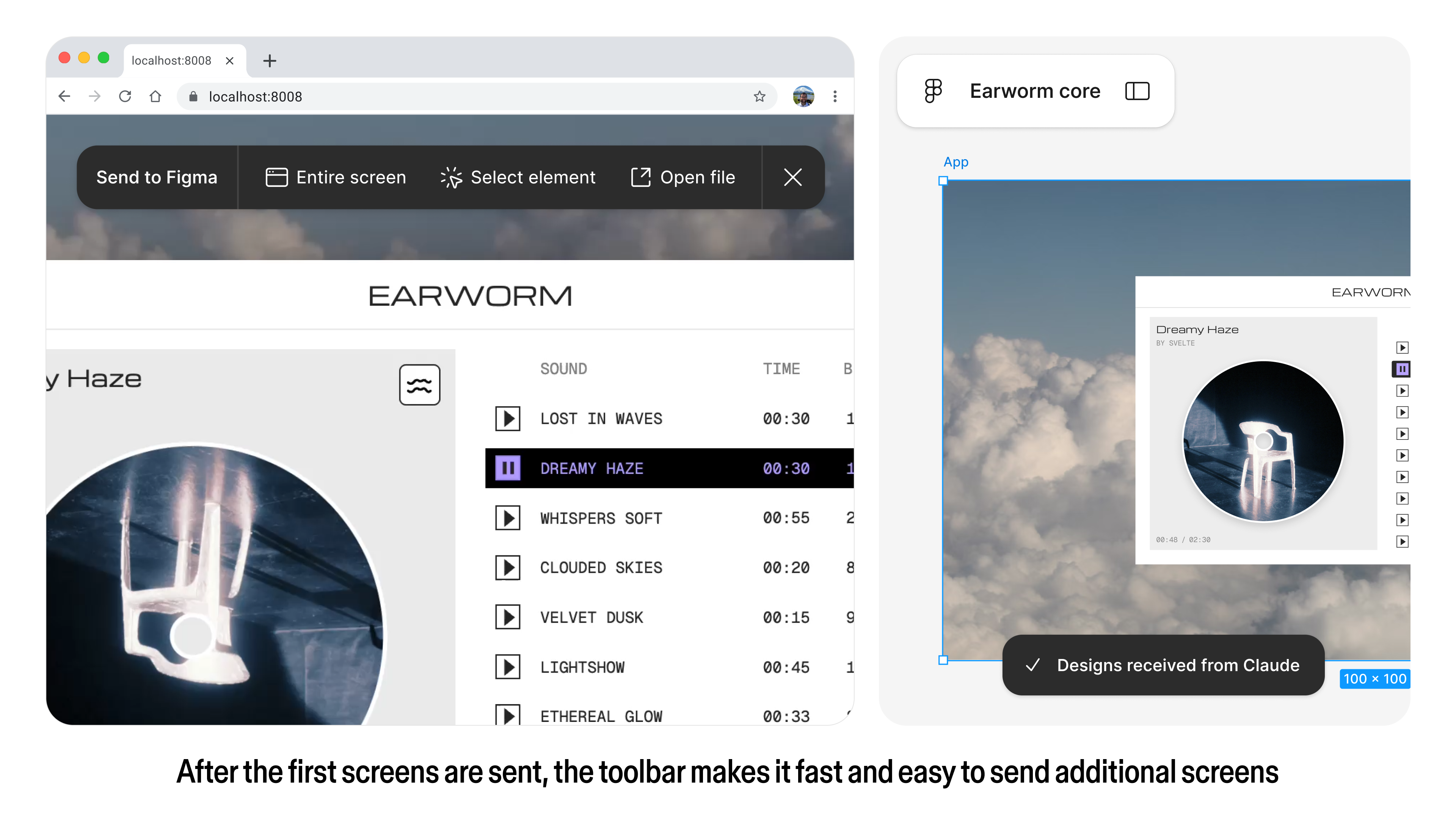
How does something move into Figma and not just pull from it? We didn’t have anything yet.
What, really, is going on here? Engineering, marketing, product, design, writing all have different ideas of what’s necessary.
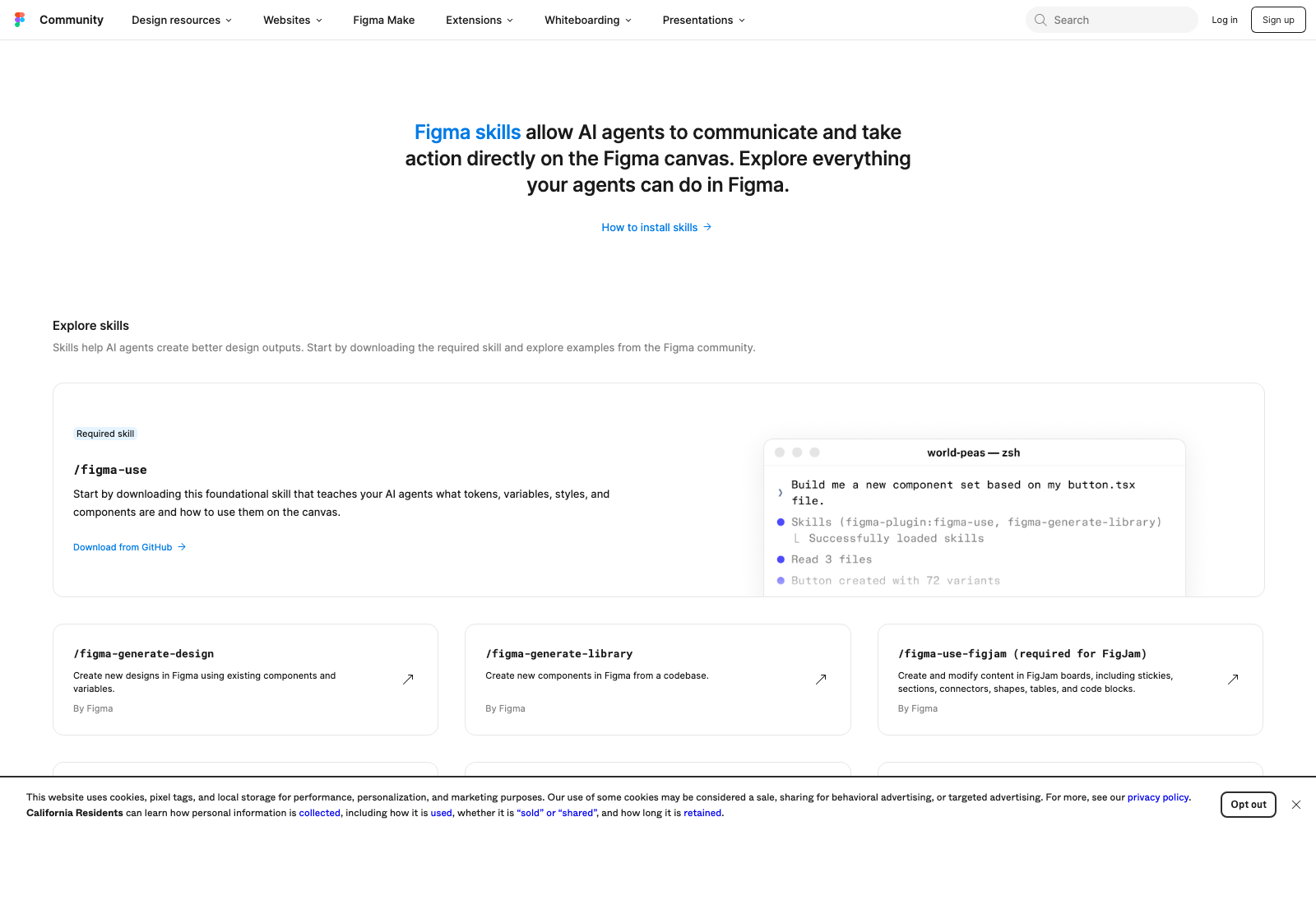
The beta release: agents that can read, generate, and edit directly on the Figma canvas.